
Tsum Valley Trek for Beginners: Difficulty, Fitness & Trekking Tips
22nd Sep, 2026
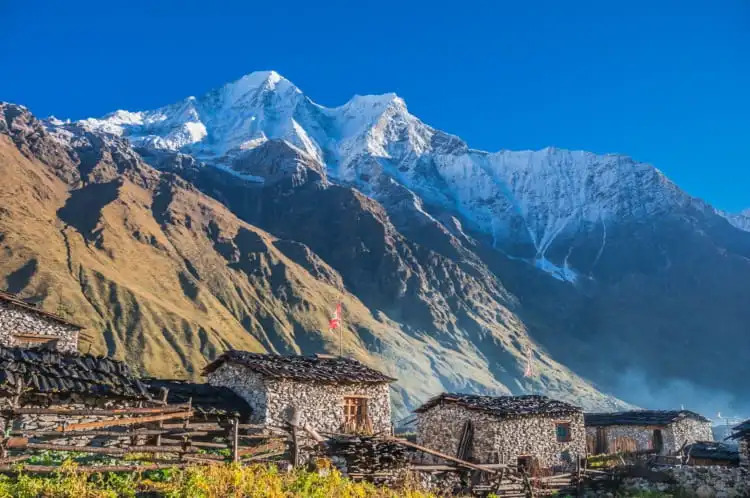
Hidden in a remote valley bordering Tibet, the Tsum Valley Trek is one of Nepal's most culturally rich and visually stunning restricted-area treks — home to centuries-old Tibetan Buddhist monasteries, ancient chortens, and villages that feel untouched by time. If you're considering it as your first trek in Nepal, you're not alone: many beginners are drawn to Tsum Valley for its manageable difficulty, lower crowds, and deeply authentic cultural experience compared to more commercialized routes.
Table of Contents
But is it actually a good beginner trek? In this guide, Mountain Eco Treks breaks down the real difficulty level, the fitness you'll need, and practical trekking tips to help first-timers prepare with confidence.
What Is the Tsum Valley Trek?
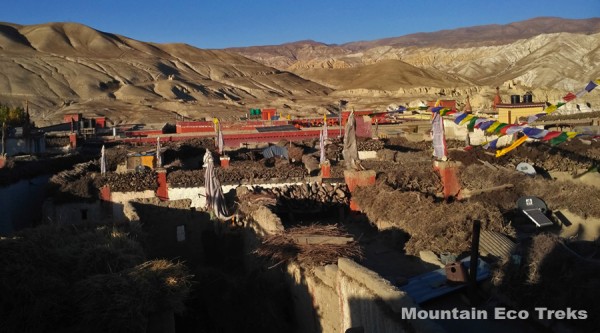
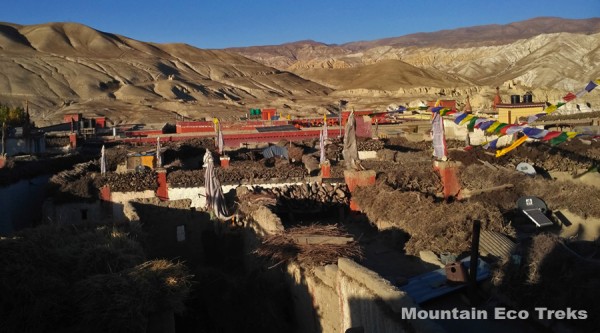
Tsum Valley is a remote, sacred valley in the Manaslu region of northern Nepal, only opened to foreign trekkers in 2008. Often called the "Hidden Valley," it offers:
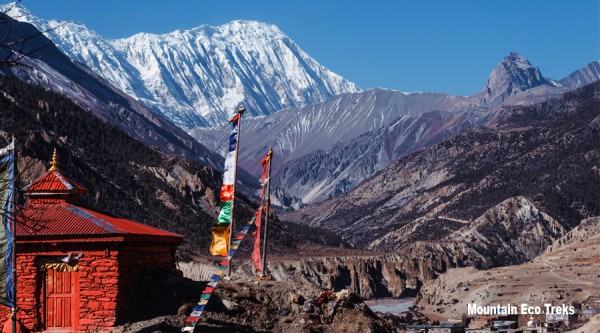
- Ancient Tibetan Buddhist monasteries, including Mu Gompa and Rachen Gompa
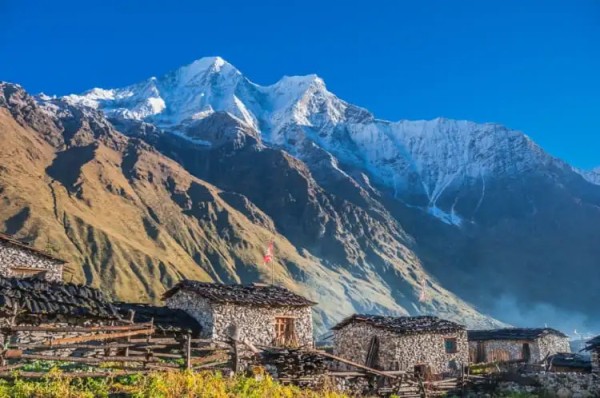
- Traditional Tsumba villages with distinct language, culture, and customs
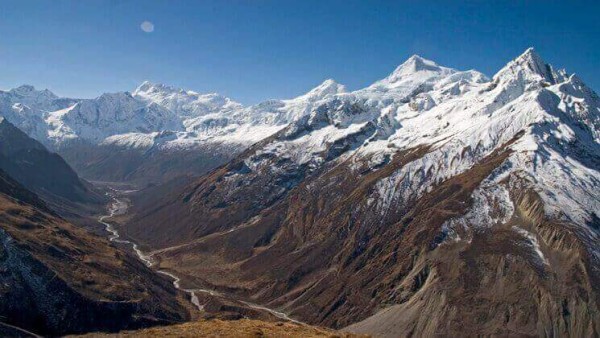
- Dramatic mountain views of Ganesh Himal, Himalchuli, and Sringi Himal
- A genuinely off-the-beaten-path experience with far fewer trekkers than Everest or Annapurna routes
- A blend of forest trails, terraced farmland, suspension bridges, and high alpine terrain
The trek typically combines with part of the Manaslu Circuit route at the start, branching off into Tsum Valley itself around Lokpa village.
Is Tsum Valley Trek Suitable for Beginners?
This is the question most first-time trekkers ask — and the honest answer is: yes, with the right preparation.
Tsum Valley is generally rated moderate, and by some operators moderate to difficult, due to its remote location, longer trekking days, and high-altitude terrain rather than any technical climbing. You don't need mountaineering skills or prior trekking experience, but you do need a reasonable level of physical fitness and realistic expectations.
| Factor | Details |
|---|---|
| Trek grade | Moderate (some sections moderate-to-difficult) |
| Maximum altitude | ~3,700 m (Mu Gompa) |
| Trek duration | 11 – 21 days (varies by itinerary) |
| Daily walking hours | 5 – 7 hours |
| Technical climbing required | None |
| Guide requirement | Mandatory (restricted area) |
| Good for beginners? | Yes, with fitness preparation |
Why it works well for beginners:
1. No technical climbing — the entire trek is walking on trails, with no ropes, crampons, or glacier travel involved.
2. Moderate altitude — topping out around 3,700 m at Mu Gompa, altitude sickness risk is present but considerably lower than on treks reaching 5,000+ m.
3. Guided every step of the way — since it's a restricted area, you'll always be accompanied by a licensed guide, which is reassuring for first-time trekkers.
4. Well-established teahouse infrastructure — you won't need to camp; lodges and teahouses are available along the entire route.
5. A flexible pace is possible — itineraries range from 11 to 21 days, so beginners can choose a more relaxed, better-acclimatized version of the trek.
What makes it more demanding than a typical "easy" trek:
- The remoteness of the region means longer daily walking hours (5–7 hours) and fewer rescue/support options than busier routes.
- Steep ascents and descents on some days, particularly through the gorge sections near Jagat and Philim.
- Unpredictable high-altitude weather, especially approaching Mu Gompa and Chhekampar.
- Basic trail conditions in places — narrow paths, suspension bridges, and uneven stone steps.
Fitness Level Required for Tsum Valley Trek
You don't need to be an athlete to complete Tsum Valley — but you do need to arrive prepared. Here's a realistic breakdown of what's expected.
Recommended Fitness Baseline
- Comfortable walking 5–7 hours a day, for multiple consecutive days
- Ability to hike on uneven, sometimes steep terrain carrying a daypack (5–8 kg)
- General cardiovascular fitness — no heart or lung conditions that would be aggravated by moderate altitude exertion
- Reasonable leg strength for sustained ascents and descents
How to Train Before Your Trek (6–8 Weeks Prior)
1. Build a walking/hiking base — aim for 3–4 hikes per week, gradually increasing distance and elevation gain
2. Add stair climbing or hill repeats — simulates the steep ascents/descents you'll face on trail
3. Incorporate cardio training — running, cycling, or swimming 2–3 times a week to build endurance
4. Practice with a loaded daypack — get used to carrying the weight you'll actually trek with
5. Break in your trekking boots — never wear brand-new boots on the trek itself; blisters are one of the most common beginner mistakes
6. Add light strength training — squats and lunges help protect your knees on long descents
Beginner tip: You don't need to be a "professional athlete" to complete Tsum Valley — but don't underestimate the Himalayas either. Regular hikers, gym-goers, and generally active people typically manage well with a few weeks of focused preparation.
Permits Required for Tsum Valley Trek
Because Tsum Valley is a restricted area, trekkers need more permits than a standard trek — and cannot trek independently under any circumstance.
Required Permits
1. Restricted Area Permit (RAP) — issued by Nepal's Department of Immigration
2. Manaslu Conservation Area Permit (MCAP)
3. Chumnubri Rural Municipality Permit
Permit Cost Table (2026)
| Permit | Cost |
|---|---|
| RAP (September–November, peak season) | USD 40 for first 7 days + USD 7/extra day |
| RAP (December–August, off-season) | USD 30 for first 7 days + USD 7/extra day |
| MCAP | NPR 3,000 (approx. USD 23) |
| Chumnubri Rural Municipality Permit | NPR 1,000 (approx. USD 8) |
| Approx. total permit cost | USD 75 – 90+ per person, depending on trek length and season |
Important permit notes:
- A government-licensed guide is mandatory for the entire trek — unguided or independent trekking is strictly prohibited in this restricted area.
- Permit rules around solo trekkers have been evolving; some recent regulatory updates have relaxed the old "minimum two trekkers" requirement, though this can vary by season and enforcement, so it's worth confirming current rules with your operator before booking.
- Permits must be arranged through a registered trekking agency in advance — they are checked at multiple checkpoints, including Jagat and Philim.
- The TIMS card is not required for this trek, since the restricted area permits already serve the tracking function TIMS provides elsewhere.
- With Mountain Eco Treks, all three required permits — RAP, MCAP, and the municipality permit — are fully arranged for you.
Tsum Valley Trek Cost (2026)
| Package Type | Estimated Cost (per person) | Inclusions |
|---|---|---|
| Standard group package | USD 900 – 1,500 | Guide, permits, teahouse accommodation, meals during trek, ground transport |
| Solo/private trek | USD 1,300 – 2,000+ | All of the above with personalized pacing and dedicated guide attention |
| Extended/premium itinerary | USD 1,500 – 3,000 | Longer duration, added acclimatization days, upgraded lodges |
What's usually included:
- All required permits (RAP, MCAP, municipality permit)
- Licensed government trekking guide
- Teahouse accommodation throughout the trek
- Meals during the trek (breakfast, lunch, dinner)
- Ground transportation between Kathmandu and the trailhead
What's usually NOT included:
- International flights and Nepal visa fees
- Travel insurance covering emergency helicopter evacuation (mandatory and strongly recommended up to at least 5,000 m coverage)
- Porter service (optional but helpful — approx. USD 25–35/day)
- Personal expenses (snacks, hot showers, device charging, Wi-Fi)
- Tips for guide and porter
Best Time for Beginners to Trek Tsum Valley
| Season | Months | Why It Works for Beginners |
|---|---|---|
| Spring | March – May | Mild temperatures, blooming rhododendron, good visibility |
| Autumn | September – November | Clearest skies, most stable weather — the top choice for first-timers |
| Winter | December – February | Cold, some high sections may be snow-affected; less ideal for beginners |
| Monsoon | June – August | Rain, leeches on lower trails, limited visibility — avoid |
Autumn (September–November) is the most beginner-friendly season, offering the most predictable weather for a first Himalayan trek. Spring (March–May) is a strong second choice.
Essential Trekking Tips for Beginners
1. Choose a Longer, Better-Paced Itinerary
As a beginner, resist the temptation to book the shortest, cheapest itinerary. A 13–16 day version with built-in acclimatization days will be far more enjoyable — and safer — than a rushed 11-day trip.
2. Prioritize Acclimatization
Even though Tsum Valley doesn't reach extreme altitude, altitude sickness can still occur above 3,000 m. Follow the "climb high, sleep low" principle where your itinerary allows, stay well hydrated, and never ignore early symptoms like headache or nausea.
3. Pack Smart, Not Heavy
- Layered clothing (base layer, insulating fleece, waterproof shell)
- Sturdy, broken-in trekking boots
- Warm hat, gloves, and a good sleeping bag (nights get cold, even in teahouses)
- Trekking poles — genuinely helpful on steep, uneven terrain
- A basic first-aid kit and any personal medication
- Reusable water bottle or purification tablets/filter
4. Budget Extra Time and Money
Because of its remote location, delays (weather, permit processing, transport) are more common here than on mainstream routes. Build in buffer days and a financial cushion of 15–20% beyond your base budget.
5. Respect Local Culture
Tsum Valley is one of the most spiritually significant regions in Nepal. Dress modestly, ask permission before photographing monasteries or locals, and walk clockwise around chortens and mani walls, following local Buddhist customs.
6. Trust Your Guide
Since a licensed guide is mandatory, lean on their local knowledge — they know the trail conditions, weather patterns, and pacing needed for a safe, enjoyable trek. Communicate openly about your fitness level and any symptoms you experience.
7. Get Proper Travel Insurance
Given the remoteness of Tsum Valley, insurance covering emergency helicopter evacuation is essential, not optional. Confirm your policy covers trekking at the altitudes involved before you depart.
Why Trek Tsum Valley with Mountain Eco Treks?
- Experienced, government-licensed guides who know the Tsum Valley route intimately
- All required permits — RAP, MCAP, and municipality permit — fully arranged for you
- Beginner-friendly, well-paced itineraries with proper acclimatization built in
- Comfortable teahouse accommodation and reliable trip logistics
- A responsible, community-focused approach that supports the local Tsumba villages along the route
If you're ready for an authentic, achievable first Himalayan adventure into one of Nepal's most sacred hidden valleys, explore the full itinerary and departure dates on the Tsum Valley Trek page with Mountain Eco Treks.
FAQs: Tsum Valley Trek for Beginners
1. Is the Tsum Valley Trek suitable for a first-time trekker?
Yes, with proper preparation. Tsum Valley is rated moderate (some sections moderate-to-difficult), meaning it involves no technical climbing, ropes, or glacier travel — just sustained walking on trails, suspension bridges, and stone steps. The main challenges for beginners are the remoteness of the region and longer daily walking hours (5–7 hours), not any specialized skill. First-timers who build a basic fitness routine beforehand and choose a well-paced itinerary generally complete it comfortably and rank it among the more approachable restricted-area treks in Nepal.
2. How fit do I need to be for the Tsum Valley Trek?
You don't need to be an athlete, but you should be able to comfortably walk 5–7 hours a day on uneven terrain for multiple consecutive days while carrying a daypack of 5–8 kg. A baseline of regular hiking, walking, or cardio fitness (running, cycling, or swimming a few times a week) in the 6–8 weeks before your trip makes a significant difference. Beginners who arrive completely untrained often struggle more with fatigue and sore muscles than with the altitude itself, so consistent pre-trip walking and stair-climbing practice is the single best preparation step.
3. What is the maximum altitude on the Tsum Valley Trek?
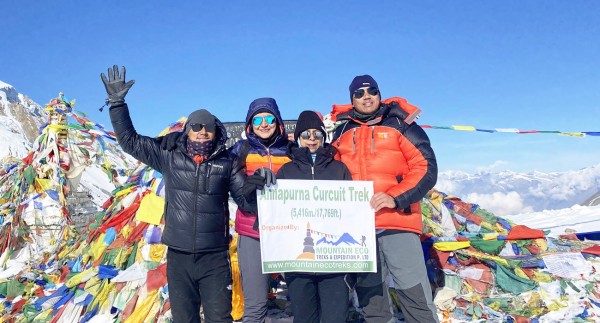
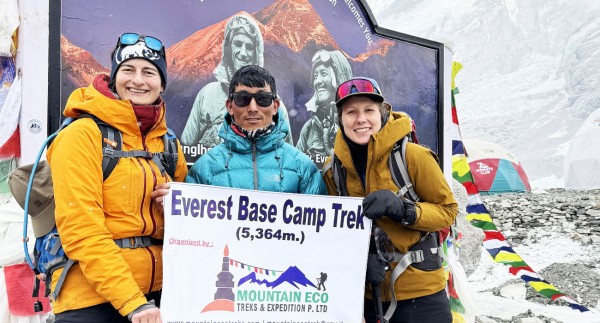
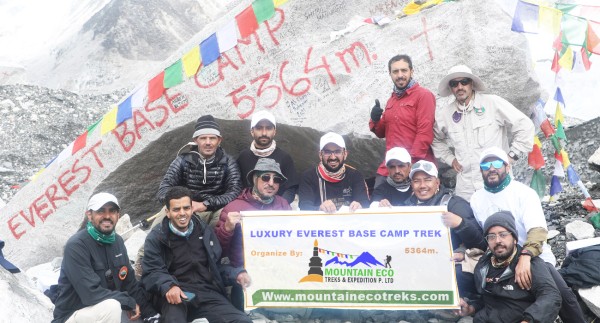
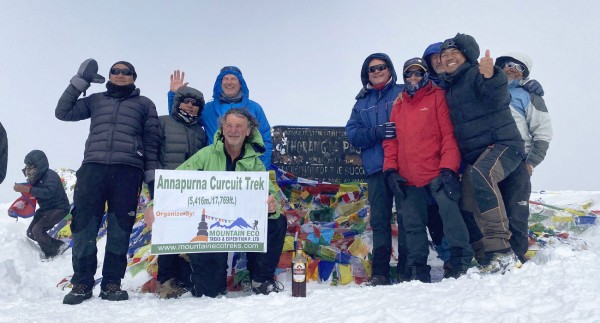
The highest point of the trek is Mu Gompa, at approximately 3,700 meters. This is considerably lower than treks like Everest Base Camp (5,364 m) or Annapurna Circuit (5,416 m via Thorong La), which is one of the reasons Tsum Valley is more forgiving for beginners. Altitude sickness risk is present but significantly reduced compared to higher-altitude routes — though hydration, a steady pace, and awareness of symptoms are still important above 3,000 m.
4. What permits do I need, and can I trek independently?
You need three permits: the Restricted Area Permit (RAP), the Manaslu Conservation Area Permit (MCAP), and the Chumnubri Rural Municipality Permit, totaling roughly USD 75–90 per person. Because Tsum Valley is a government-restricted area, independent or unguided trekking is strictly prohibited — you must be accompanied by a licensed guide for the entire route, and permits are checked at checkpoints including Jagat and Philim. Your trekking agency arranges all three permits before departure.
5. How many days should a beginner plan for this trek?
Itineraries typically range from 11 to 21 days, and beginners are strongly encouraged to choose a longer, better-paced version (13–16 days) rather than the shortest option. A longer itinerary builds in proper acclimatization days and a gentler daily walking pace, which matters more for a first-time trekker's comfort and safety than shaving a few days off the trip.
6. What is the best season for beginners to do the Tsum Valley Trek?
Autumn (September–November) is the most beginner-friendly season, offering the clearest skies and most stable weather for a first Himalayan trek. Spring (March–May) is a strong second option, with milder temperatures and blooming rhododendron forests. Winter is colder with possible snow at higher points, and monsoon season (June–August) brings rain, leeches on lower trails, and poor visibility — both are best avoided by first-timers.
7. Do I need a guide, and is it safe for beginners without trekking experience?
Yes, a government-licensed guide is mandatory for the entire trek since Tsum Valley is a restricted area — this is actually reassuring for beginners, since you'll always have experienced local support managing navigation, permits, pacing, and safety decisions. Combined with well-established teahouse accommodation along the entire route (no camping required), this makes Tsum Valley one of the more supported restricted-area treks for someone without prior Himalayan trekking experience.
8. What should a beginner pack for the Tsum Valley Trek?
Essentials include layered clothing (base layer, fleece, waterproof shell), sturdy and already broken-in trekking boots, a warm hat and gloves, a cold-rated sleeping bag, trekking poles for steep sections, a basic first-aid kit, and a reusable water bottle or purification tablets. Beginners should specifically avoid wearing brand-new boots on the trek — blister prevention is one of the most overlooked but important parts of first-trek preparation.
9. How much does the Tsum Valley Trek cost for a beginner-friendly package?
A standard guided group package typically costs USD 900–1,500 per person, including permits, guide, teahouse accommodation, and meals during the trek. Solo or private treks run higher, generally USD 1,300–2,000+, since you're paying for a dedicated guide's full attention rather than sharing costs across a group. Budget an additional 15–20% for personal expenses, optional porter hire, and mandatory travel insurance with helicopter evacuation coverage.
10. What's the biggest mistake beginners make on the Tsum Valley Trek?
The most common mistakes are underestimating the daily walking hours, choosing an itinerary that's too short to allow proper acclimatization, and arriving with unbroken-in boots. Because Tsum Valley is remote, there's also less margin for error than on busier routes like Everest Base Camp — delays from weather or trail conditions are more common, so beginners should build extra buffer days and a flexible mindset into their trip rather than rushing to a fixed schedule.
Final Thoughts
For beginners seeking a genuine Himalayan trekking experience without the crowds — or the extreme technical demands — of routes like Everest Base Camp or Island Peak, Tsum Valley offers an ideal middle ground: moderate difficulty, rich Tibetan Buddhist culture, and breathtaking mountain scenery, all within reach of a reasonably fit first-time trekker. With a few weeks of focused preparation, the right gear, a well-paced itinerary, and an experienced local guide, Tsum Valley can be a safe, rewarding, and unforgettable introduction to trekking in Nepal.
Recent From Blog

19th Apr, 2019


23rd Dec, 2018

11th Jan, 2024

14th Jan, 2024

29th Jan, 2025

11th Feb, 2025

18th Feb, 2025

25th Feb, 2025

5th Apr, 2025
23rd Dec, 2025
9th May, 2026
12th Jul, 2026

13th Aug, 2026
13th Aug, 2026
13th Aug, 2026

16th Aug, 2026
20th Aug, 2026


11th Sep, 2026